Healthcare Staffing Technology Shouldn't Just Look Good — It Should Redefine the Standard
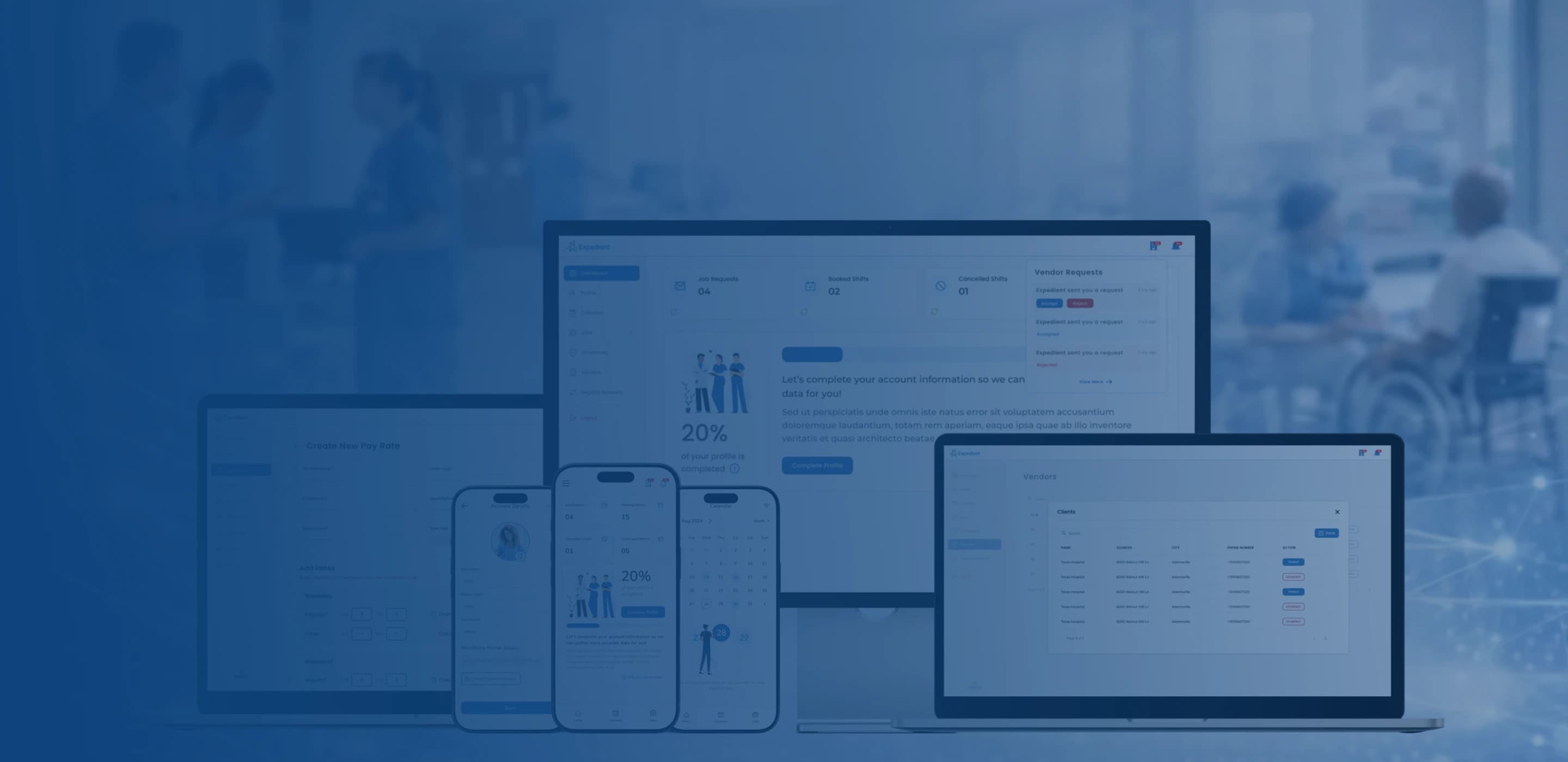
In healthcare staffing, sleek interfaces aren't enough. True innovation eliminates friction, unifies facilities, vendors, and clinicians in one resilient ecosystem, and delivers 24/7 performance under real pressure. Amaya’s Expedient platform combines elegant design with deep operational strength—setting the new standard for workforce management.
By Jack Madha
I've sat through countless software demos in healthcare staffing.
Most of them look great.
- • Polished dashboards
- • Modern interfaces
- • Clean workflows
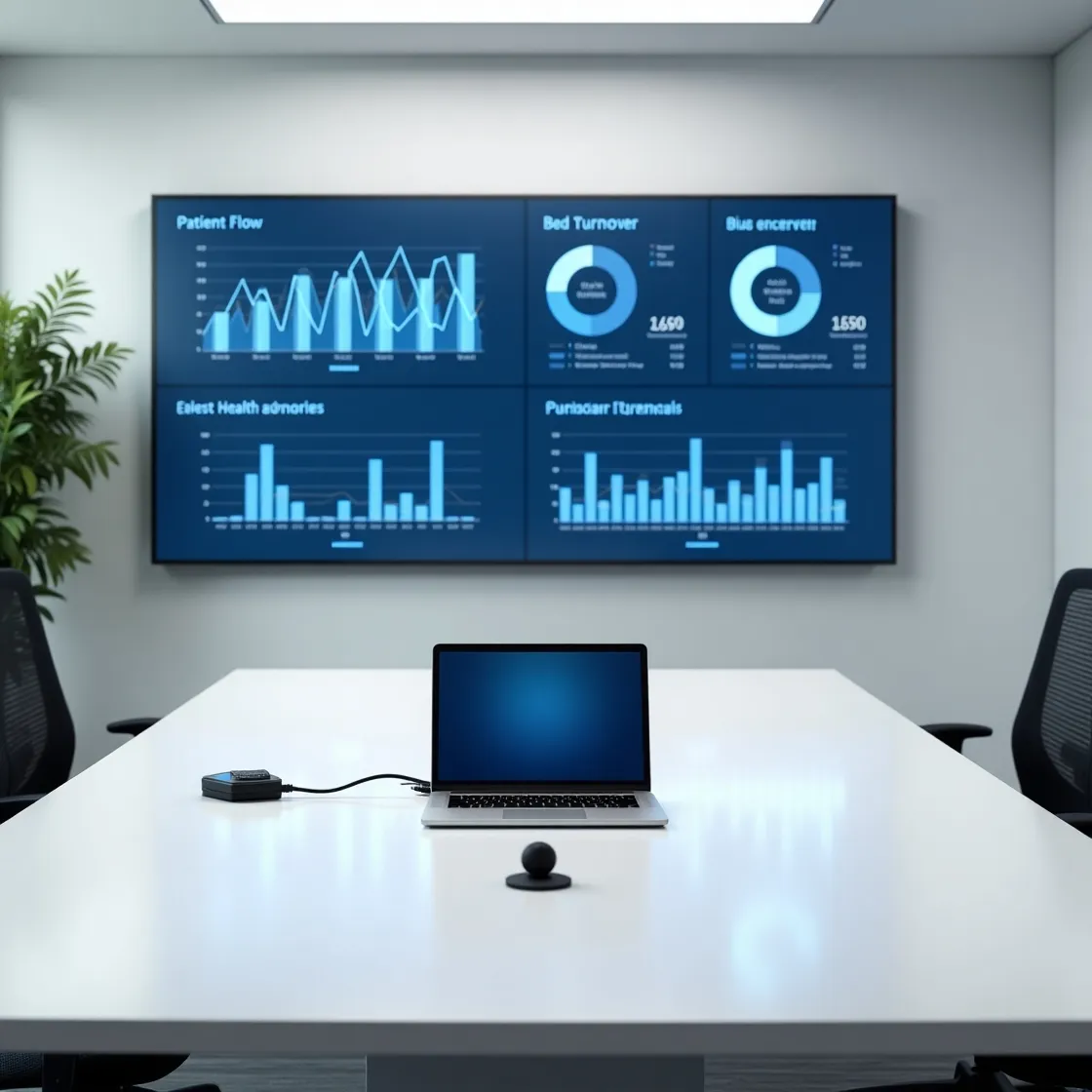
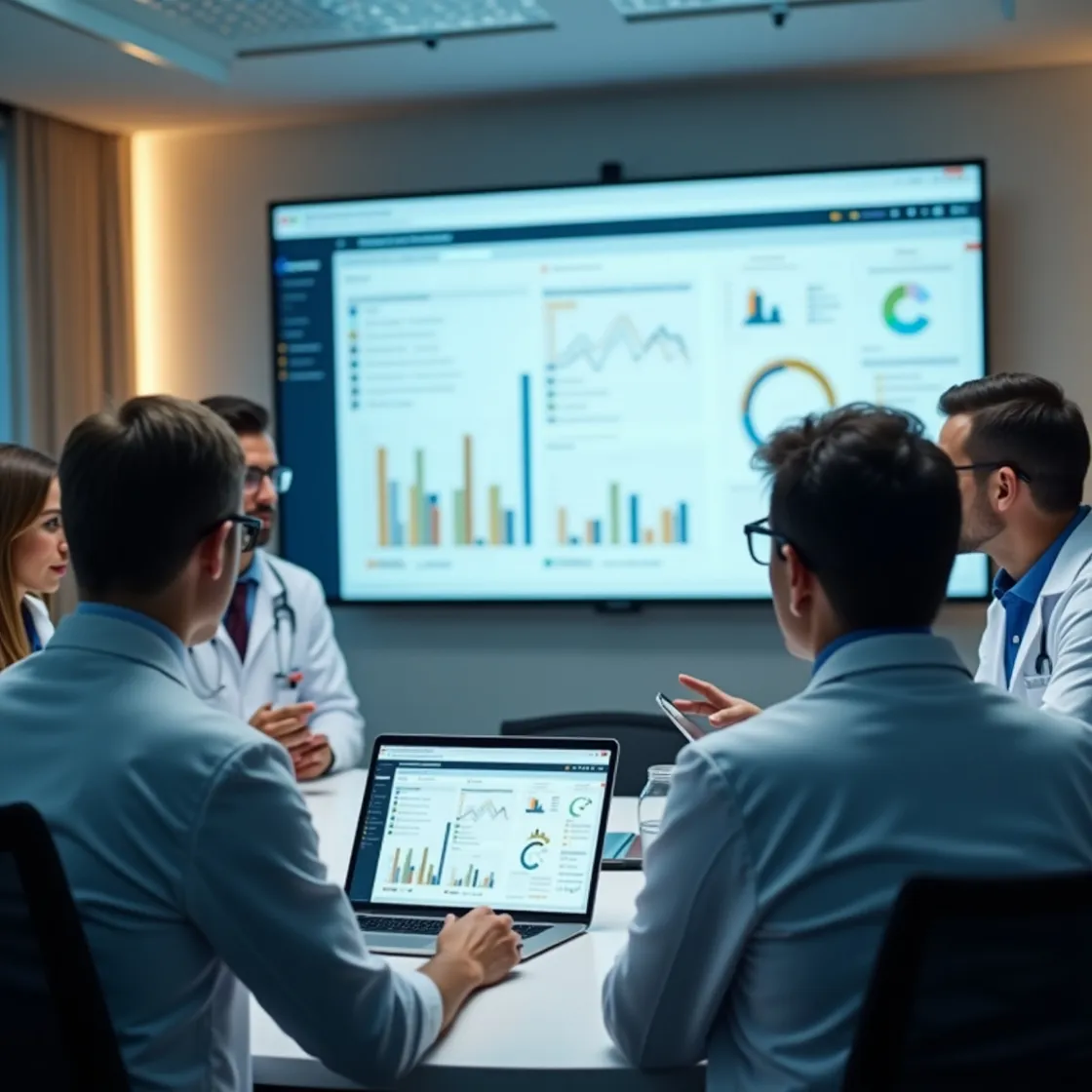
And to be clear, design matters. A platform should feel intuitive. It should be thoughtfully built.
It should inspire confidence the moment you open it.
But here's the uncomfortable truth:
Our industry has accepted technology that looks innovative without demanding that it fundamentally improve execution.
That gap is where real progress gets stalled.
The Demo Is Easy. Execution Is Hard.
Healthcare staffing is one of the most operationally complex environments in business.
- • Multiple stakeholders
- • Credential risk
- • Real-time shift volatility
- • Vendor networks
- • Compliance scrutiny
- • High-volume onboarding
This isn’t static workforce management.
It’s dynamic infrastructure.
Yet many platforms are built as if staffing is predictable.
It’s not.
When I owned a healthcare staffing agency, I experienced firsthand how operational friction quietly erodes efficiency:
- • Disconnected systems
- • Delayed onboarding
- • Communication gaps between facilities and vendors
- • Administrative drag that reduces margins
The technology wasn’t broken.
It simply wasn’t built from the inside.
The Industry Doesn't Need More Features
It needs infrastructure.
When we built Expedient and the Amaya platform, we weren't trying to compete on aesthetics or feature lists.
We were challenging the assumption that workforce technology should only manage vendors.
That mindset is outdated.
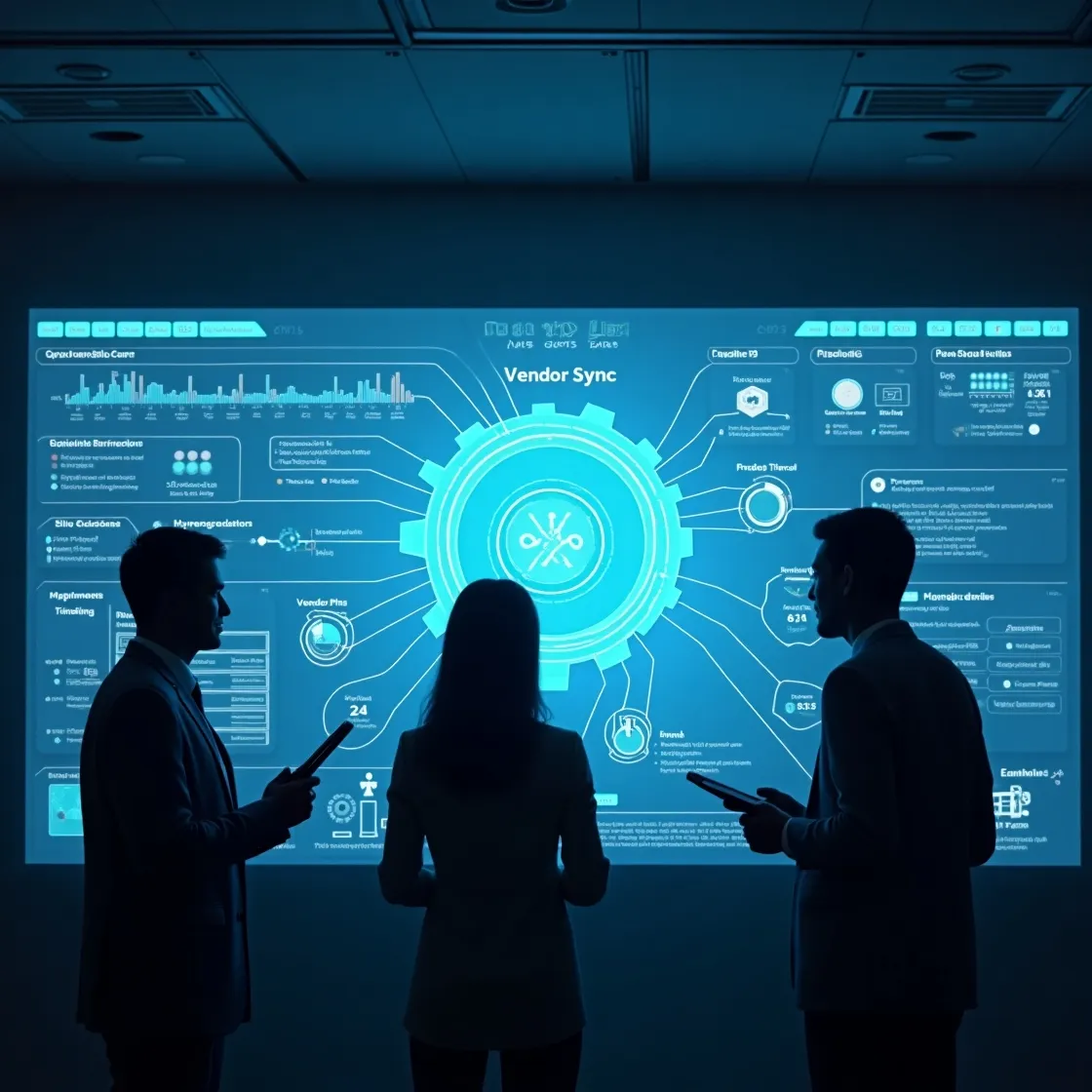
Modern healthcare organizations need centralized workforce command — something that aligns facilities, vendors, and clinicians in one unified ecosystem.
And yes — it must be beautifully designed.
But design alone is not innovation.
Innovation is eliminating friction.
We Refused to Choose Between Design and Performance
The future of healthcare staffing technology isn't clunky systems disguised as "enterprise solutions".
And it’s not sleek dashboards built without operational depth.
It’s both.
At Expedient, every workflow was built through the lens of real staffing operations:
- • Vendor management aligned with actual submission behavior
- • Credential oversight structured to reduce compliance exposure
- • Onboarding automation designed to accelerate start times
- • Time & attendance engineered for healthcare shift realities
- • Reporting built for decision-making — not data accumulation
The question wasn't:
"How do we make this look modern?"
It was:
"How does this hold up when pressure hits?"
Then we designed around that answer.
That's how true infrastructure is built.
Infrastructure Requires Accountability
Technology cannot redefine standards if it disappears when operations get difficult.
Healthcare staffing doesn't run 9–5.
Credential escalations happen overnight.
Coverage gaps happen on weekends.
Urgent requests don't wait.
That's why we operate with a 24/7 team — because infrastructure isn't just software.
It's responsiveness.
It's accountability.
It's partnership.
Execution is not theoretical. It's lived.
The Industry Is Evolving — Technology Must Evolve With It
Vendor-neutral models are expanding.
Transparency expectations are rising.
Compliance pressure is intensifying.
Speed and efficiency are no longer differentiators, they're requirements.
Managing vendors is not the future.
Connected workforce ecosystems are.
Technology that merely "supports staffing" will continue to underperform.
Technology that acts as operational infrastructure will define the next era of healthcare workforce management.
Raising the Standard
I've been on the agency side.
I've experienced the inefficiencies.
And I've seen how incremental upgrades are no longer enough.
Healthcare staffing deserves technology that is:
- • Intuitive.
- • Elegant.
- • Operationally resilient.
- • Built for scale.
And most importantly, built by people who understand what's at stake.
Looking good in a demo is easy.
Redefining how the industry operates is harder.
That's the standard we're committed to.